
Blog
Pigmentation Treatment Before and After: What Results Can You Expect?

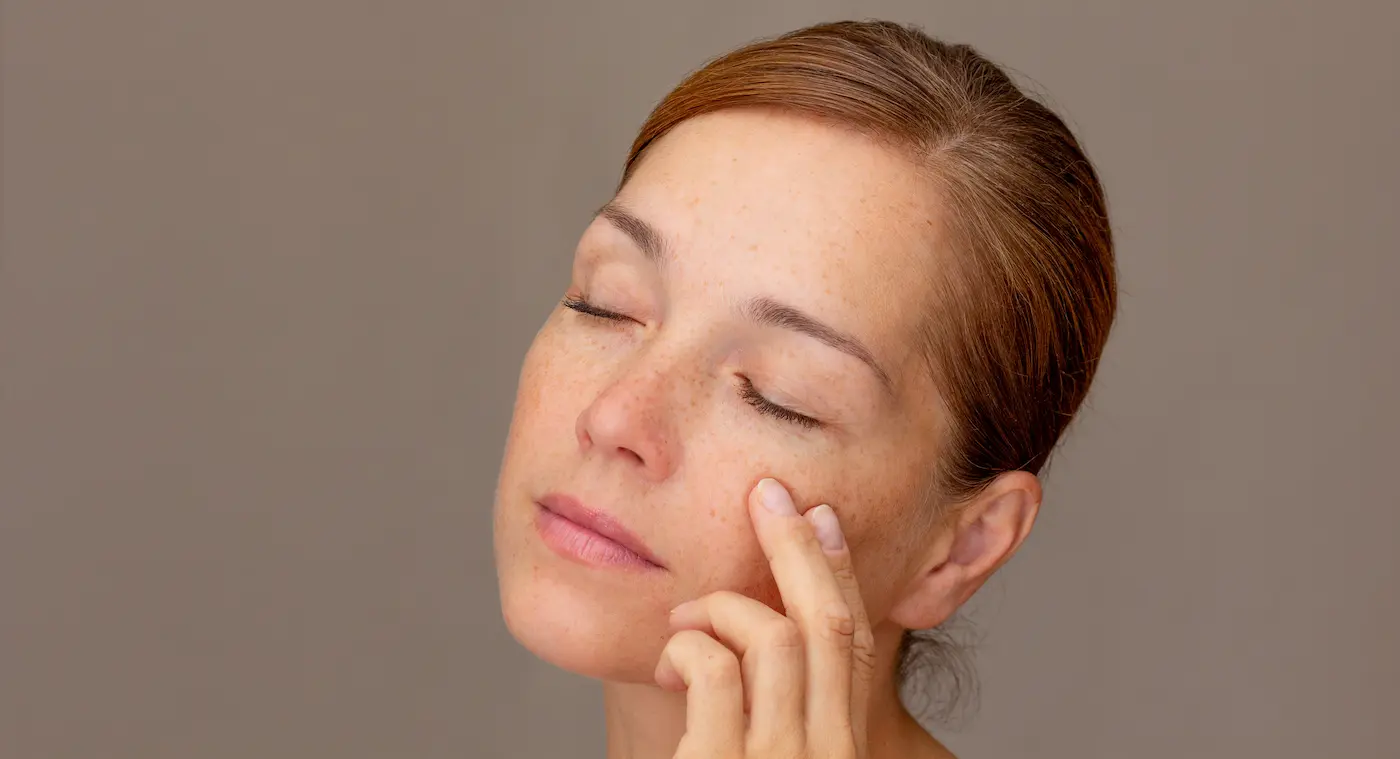
Skin pigmentation concerns are among the most common reasons people seek professional skin care. Dark spots, uneven tone, and discoloration can affect confidence and make skin appear older or unhealthy. While pigmentation issues are common, effective treatments are available that can significantly improve skin clarity and tone when approached with the right plan and expectations.
At COSMOS Primary Care and Wellness PLLC in Gilbert, AZ, pigmentation treatment focuses on safe, personalized care designed to deliver visible, lasting results. Understanding what happens before treatment, how skin changes afterward, and what results look like over time helps patients feel informed and confident throughout the process.
What Is Skin Pigmentation?
Pigmentation refers to the coloring of the skin, which is controlled by melanin. When melanin production becomes uneven, darker patches or spots can appear. Common types of pigmentation include:
- Sunspots and age spots
- Melasma
- Post-inflammatory hyperpigmentation
- Acne-related dark marks
- Uneven skin tone
Pigmentation can develop due to sun exposure, hormonal changes, aging, inflammation, or certain medical conditions. Because causes vary, treatment plans must be customized to each individual.
Preparing for Pigmentation Treatment
The pre-phase of pigmentation treatment is just as important as the treatment itself. Proper preparation helps improve results and reduce the risk of irritation or recurrence.
Skin Evaluation and Consultation
A thorough skin assessment helps identify the type, depth, and cause of pigmentation. This step determines which treatments are most appropriate and sets realistic expectations for outcomes.
Sun Protection
Sun exposure plays a major role in pigmentation. Patients are often advised to begin consistent use of broad-spectrum sunscreen before treatment. Protecting the skin helps prevent existing spots from darkening and new ones from forming.
Skincare Adjustments
Certain skincare products may be paused before treatment, especially those containing strong exfoliants or retinoids. Gentle cleansing and hydration prepare the skin for healing and response.
Setting Expectations
Pigmentation treatment is rarely instant. Understanding that results appear gradually helps patients stay committed and patient throughout the process.
Common Pigmentation Treatment Options
Several treatments may be used alone or in combination, depending on skin type and pigmentation severity.
- Medical-grade topical treatments
- Chemical peels
- Laser or light-based therapies
- Targeted exfoliation treatments
Each approach works by reducing excess melanin, encouraging cell turnover, or breaking up pigment deposits.
What Happens During Pigmentation Treatment?
Most pigmentation treatments are performed in the office and require minimal downtime. Sensations during treatment vary but may include warmth, tingling, or mild discomfort depending on the method used.
Treatments are designed to target pigmented areas while preserving surrounding healthy skin. Sessions may last from minutes to under an hour, depending on the treatment type and area size.
Pigmentation Treatment Aftercare
The after phase plays a major role in determining final results. Skin needs time to heal, renew, and rebalance melanin production.
Immediate After Effects
Following treatment, the skin may appear slightly red, sensitive, or dry. In some cases, pigmented areas may temporarily darken before lightening. This is a normal part of the process.
Skin Healing and Renewal
Over the next days or weeks, treated skin begins shedding pigmented cells and revealing fresher skin beneath. Hydration and gentle care support this renewal phase.
Sun Avoidance
Strict sun protection remains essential after treatment. Exposure can trigger rebound pigmentation and delay progress.
Consistent Skincare Routine
Using recommended skincare products supports healing and enhances results. Products that support barrier repair and pigment control help maintain improvements.
Before and After Results: What Changes Can You Expect?
Pigmentation treatment results develop gradually and vary based on individual factors.
Early Improvements
Initial improvements may include brighter skin tone, smoother texture, and reduced dullness. Some dark spots may begin fading within weeks.
Progressive Lightening
Over time, pigmentation becomes lighter and less noticeable. Skin tone appears more even as melanin production stabilizes.
Improved Skin Confidence
Many patients report feeling more confident wearing less makeup and noticing a healthier overall appearance.
Long Term Results
With proper maintenance, results can be long-lasting. Continued sun protection and skincare help preserve improvements.
Factors That Influence Results
Several factors affect how quickly and effectively pigmentation improves.
- Depth and type of pigmentation
- Skin tone and sensitivity
- Consistency with aftercare
- Sun exposure habits
- Hormonal influences
Pigmentation caused by sun damage often responds more quickly than hormonally driven conditions like melasma, which may require ongoing management.
How Many Treatments Are Needed?
Pigmentation treatment is often a series rather than a single session. Multiple treatments allow gradual improvement while protecting skin health. Treatment spacing depends on skin response and the chosen method.
Maintenance treatments may be recommended to keep pigmentation under control long-term.
Realistic Expectations Matter
While pigmentation treatment can deliver significant improvement, complete elimination of all discoloration is not always possible. The goal is clearer, more even-toned skin that looks healthy and refreshed.
Setting realistic goals ensures satisfaction and helps patients appreciate the progress achieved.
Why Choose COSMOS Primary Care and Wellness PLLC for Pigmentation Treatment in Gilbert, AZ
At COSMOS Primary Care and Wellness PLLC in Gilbert, AZ, pigmentation treatment is approached with medical insight and individualized care. Each plan is designed around skin type, lifestyle, and long-term skin health.
Education, consistency, and expert guidance help patients achieve visible improvement while protecting their skin for the future.
If you are considering pigmentation treatment and want to understand what results may look like before and after, contact COSMOS Primary Care and Wellness PLLC in Gilbert, AZ, to schedule a consultation. Clearer, more even skin begins with a personalized plan and professional care.
Read More Blogs!
Stay updated with the latest blog posts and engage with our community.
What Our Patients Are Saying



Let’s talk about your goals, we’re Listening. Whether you're interested in aesthetic treatments, primary care, or wellness support, the first step is a personalized consultation. We'll discuss your needs, answer your questions, and create a plan designed just for you.
Appointments are easy to book online, and our team is here to make sure you feel informed and confident at every stage.
We’re Here To Help