Blog
Effective Acne Treatments: The Latest Options for Clearer Skin

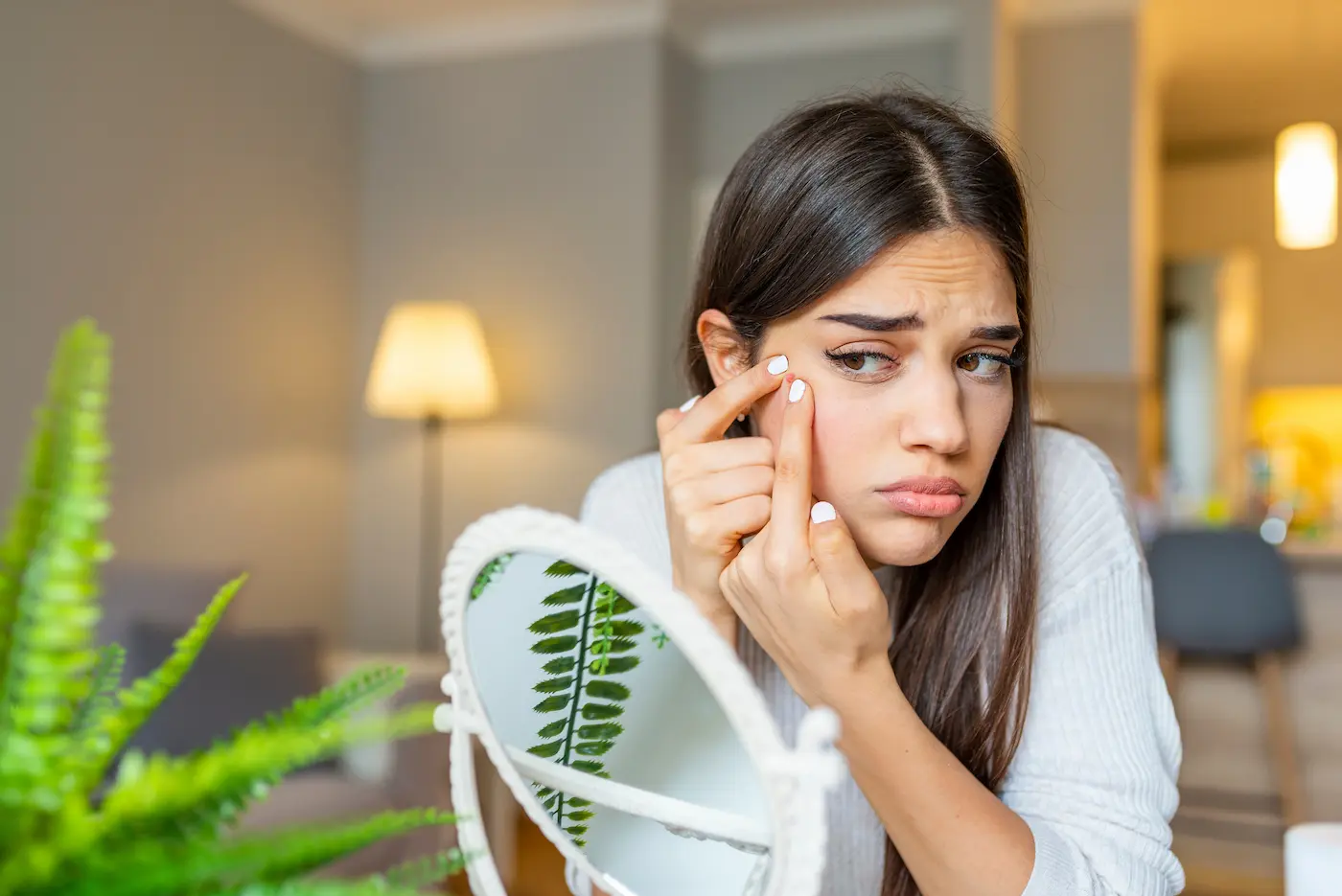
Acne is a common skin condition that affects people of all ages, from teenagers to adults. It can be frustrating, leading to not only physical discomfort but also emotional distress. While acne is often seen as a temporary problem during adolescence, many adults continue to struggle with acne well into their 30s, 40s, and beyond. Fortunately, acne treatment options have advanced significantly in recent years, offering a range of effective solutions for clearer, healthier skin.
At COSMOS PRIMARY CARE AND WELLNESS PLLC in Gilbert, AZ, we understand how acne can impact your self-confidence and overall well-being. In this blog, we’ll explore the latest acne treatment options available today, from medications and topical treatments to advanced therapies. Whether you're dealing with mild breakouts or more persistent acne, you’ll find valuable insights to help you achieve clearer skin.
1. Topical Medications: The First Line of Defense
For many people, the first step in treating acne involves topical medications. These treatments are applied directly to the skin and can help reduce inflammation, control oil production, and clear clogged pores. The most commonly used topical medications for acne include:
Benzoyl Peroxide
Benzoyl peroxide is one of the most widely recommended treatments for acne. It works by killing the bacteria that contribute to acne and reducing inflammation. Benzoyl peroxide is available in various forms, including creams, gels, and cleansers. It is typically used once or twice daily, depending on the severity of your acne. However, it can sometimes cause dryness or irritation, so it’s important to start with a lower concentration and gradually increase as needed.
Salicylic Acid
Salicylic acid is another popular topical treatment for acne. This beta hydroxy acid (BHA) works by exfoliating the skin, helping to clear clogged pores and prevent future breakouts. It is commonly found in over-the-counter products such as cleansers, toners, and spot treatments. Salicylic acid is known for being gentler on the skin compared to benzoyl peroxide, making it a good option for those with sensitive skin.
Retinoids
Retinoids are a class of vitamin A derivatives that are highly effective for treating both acne and acne scars. They work by promoting cell turnover, which helps prevent clogged pores and reduces inflammation. Topical retinoids, such as adapalene (Differin), are available over-the-counter, while stronger prescription retinoids like tretinoin are available for more severe cases of acne. Retinoids can cause dryness and irritation, so it’s important to start slowly and use them in combination with moisturizers.
2. Oral Medications: For More Severe Cases
When topical treatments aren’t enough to control acne, oral medications may be necessary. These medications work from the inside out to reduce inflammation, regulate hormones, or target the bacteria causing acne. Some of the most commonly prescribed oral treatments for acne include:
Antibiotics
Oral antibiotics, such as doxycycline or minocycline, are often prescribed to reduce inflammation and kill the bacteria responsible for acne. These medications are usually recommended for moderate to severe cases of acne and are typically used for a limited period to prevent antibiotic resistance. Antibiotics can be effective in reducing acne symptoms, but they may cause side effects like upset stomach or photosensitivity, so it's important to follow your doctor’s instructions carefully.
Hormonal Therapy
For women with acne linked to hormonal imbalances (such as during menstruation or pregnancy), hormonal therapy may be recommended. Birth control pills that contain estrogen and progesterone can regulate hormone levels and help reduce acne flare-ups. In some cases, other medications like spironolactone, which blocks the effects of androgen hormones, may be used to treat acne in women. Hormonal therapy can take a few months to show results, but it can be a highly effective long-term solution.
Isotretinoin (Accutane)
Isotretinoin, commonly known by the brand name Accutane, is a potent oral medication prescribed for severe, cystic acne that has not responded to other treatments. Isotretinoin works by reducing oil production, preventing clogged pores, and decreasing inflammation. It can be highly effective, but due to its potential side effects, including dry skin, joint pain, and birth defects, isotretinoin is typically prescribed with caution and requires regular monitoring by a healthcare provider.
3. Advanced Acne Treatments: Innovative Solutions for Persistent Acne
For those with stubborn acne that doesn’t respond to traditional treatments, advanced therapies can provide significant relief. Some of the most promising options include:
Laser Therapy
Laser treatments for acne are becoming increasingly popular due to their ability to target the underlying causes of acne while promoting healing. Laser therapy works by using focused light energy to reduce inflammation, kill acne-causing bacteria, and improve skin texture. One common type of laser treatment is fractional laser resurfacing, which creates tiny, controlled injuries in the skin to stimulate collagen production and improve skin texture. Another option is blue light therapy, which specifically targets acne-causing bacteria. Laser treatments can be highly effective, though multiple sessions may be necessary for optimal results.
Chemical Peels
Chemical peels involve the application of a chemical solution to the skin to exfoliate the top layer, revealing smoother, clearer skin underneath. They can be particularly effective for treating acne scars, as they help promote cell turnover and improve skin texture. There are different types of chemical peels, ranging from mild to deep peels, depending on the severity of the acne and scars. Chemical peels can be done in a medical setting and may require some recovery time depending on the strength of the peel.
Microneedling
Microneedling is a minimally invasive procedure that uses tiny needles to create controlled micro-injuries in the skin, stimulating collagen and elastin production. This treatment is effective for both acne scars and active acne, as it helps improve skin texture and promotes healing. Microneedling can be done alone or combined with other treatments, such as platelet-rich plasma (PRP), to enhance the results.
4. Skincare Routine and Lifestyle Changes
In addition to professional treatments, maintaining a proper skincare routine is essential for preventing acne and managing flare-ups. Here are some important skincare tips:
- Cleanse your skin regularly: Use a gentle, non-comedogenic cleanser to remove dirt, oil, and makeup without irritating your skin.
- Moisturize: Even if you have oily skin, it's essential to keep your skin hydrated with an oil-free moisturizer to prevent overproduction of oil.
- Avoid picking at acne: Picking or squeezing pimples can cause further inflammation and scarring.
- Maintain a healthy diet: Eating a balanced diet rich in fruits, vegetables, and whole grains can help support overall skin health.
Achieve Clearer Skin with COSMOS PRIMARY CARE AND WELLNESS PLLC
Acne can feel like an ongoing battle, but with the right treatments and skincare practices, you can achieve clearer, healthier skin. At COSMOS PRIMARY CARE AND WELLNESS PLLC in Gilbert, AZ, we offer personalized acne treatment plans to help you manage and treat your acne effectively. Whether you’re dealing with active acne or the lasting effects of acne scars, our team is here to provide you with the care and support you need to feel confident in your skin.
If you’re ready to explore acne treatment options, schedule a consultation with us today. We’ll work with you to create a customized plan that addresses your unique skin needs.
Read More Blogs!
Stay updated with the latest blog posts and engage with our community.
What Our Patients Are Saying



Let’s talk about your goals, we’re Listening. Whether you're interested in aesthetic treatments, primary care, or wellness support, the first step is a personalized consultation. We'll discuss your needs, answer your questions, and create a plan designed just for you.
Appointments are easy to book online, and our team is here to make sure you feel informed and confident at every stage.
We’re Here To Help